Healthcare systems around the world are under increasing pressure to provide safer surgeries, improve patient outcomes, and maximize operational efficiency. As hospitals face growing patient volumes, stricter infection control standards, and rapid technological advancements, traditional operating rooms often struggle to meet modern demands.
Smart modular operating rooms offer a future-ready solution by combining prefabricated construction, intelligent technologies, and integrated digital systems. These advanced surgical environments not only improve clinical performance but also enhance the overall quality of healthcare delivery.
What Is a Smart Modular Operating Room?
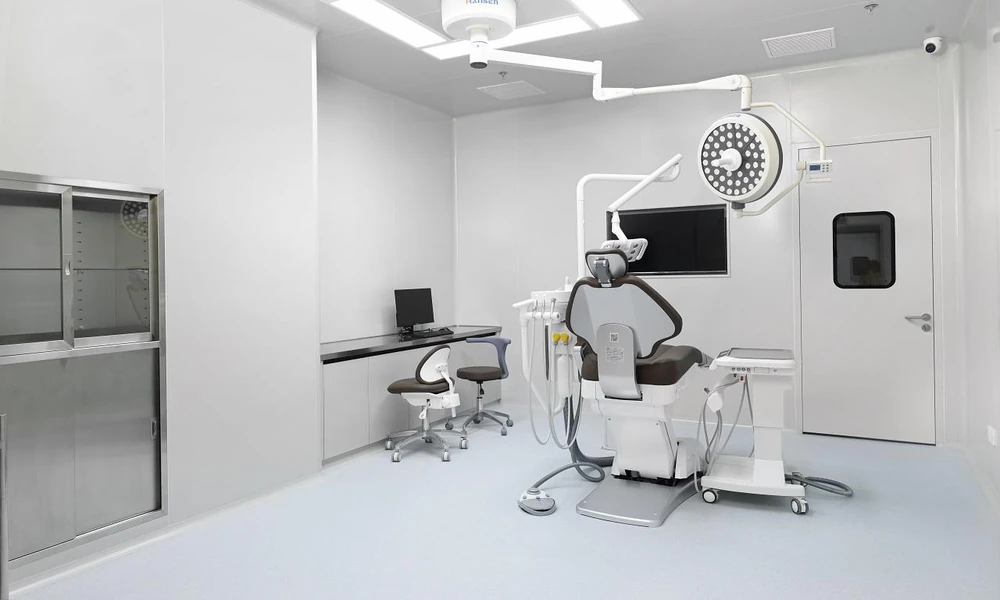
A smart modular operating room (OR) is a prefabricated surgical suite designed with standardized modular components and equipped with intelligent technologies that optimize surgical workflows.
Unlike conventional operating theatres, smart modular ORs integrate multiple systems into a centralized digital platform, including:
- Medical equipment integration
- HVAC and environmental monitoring
- Surgical lighting and imaging systems
- Real-time communication tools
- Touchscreen control panels
- Building management systems (BMS)
- Electronic medical record (EMR) connectivity
This seamless integration allows healthcare professionals to manage the entire operating environment efficiently while maintaining the highest standards of patient safety.
Enhancing Patient Safety Through Intelligent Monitoring
Patient safety remains the top priority in every surgical procedure. Smart modular operating rooms continuously monitor critical environmental conditions such as:
- Air pressure
- Temperature
- Humidity
- Airborne particle levels
- Air change rates
Automated sensors immediately alert staff if any parameter falls outside the predefined range, allowing rapid corrective actions before patient safety is compromised.
Advanced HEPA filtration and laminar airflow systems further reduce airborne contaminants, helping minimize the risk of surgical site infections (SSIs). Consistent environmental control creates a cleaner surgical environment that supports better clinical outcomes.
Improving Surgical Workflow Efficiency
One of the greatest advantages of smart modular operating rooms is workflow optimization.
Instead of operating multiple independent systems, surgeons and nurses can control lighting, ventilation, imaging equipment, cameras, and communication devices from a single touchscreen interface.
This integration offers several benefits:
- Reduced equipment setup time
- Faster operating room turnover
- Simplified equipment management
- Fewer workflow interruptions
- Better coordination among surgical teams
As a result, hospitals can perform more surgeries each day without compromising quality or safety.
Supporting Better Clinical Decision-Making
Modern operating rooms increasingly rely on digital information.
Smart modular ORs integrate high-definition surgical displays, PACS imaging systems, and electronic medical records, enabling surgeons to access patient data instantly during procedures.
Real-time visualization allows clinicians to review:
- CT scans
- MRI images
- Laboratory reports
- Vital signs
- Surgical checklists
Having all relevant information readily available improves surgical precision while reducing the likelihood of medical errors.
Facilitating Remote Collaboration and Education
Healthcare delivery extends beyond a single operating room.
Many smart modular ORs include built-in telemedicine and audiovisual systems that support remote collaboration with specialists anywhere in the world.
These capabilities enable:
- Live surgical consultations
- Remote expert guidance
- Medical student education
- Surgical procedure recording
- Hospital-wide case discussions
This digital connectivity improves clinical decision-making while helping hospitals develop stronger training programs.
Increasing Operational Efficiency
Healthcare providers continually seek ways to improve resource utilization.
Smart modular operating rooms collect operational data that hospitals can use to optimize scheduling, maintenance, and equipment utilization.
Examples include:
- Monitoring equipment usage
- Predictive maintenance alerts
- Operating room occupancy analysis
- Energy consumption tracking
- Asset management
Data-driven management reduces unexpected equipment failures, minimizes downtime, and improves long-term operational efficiency.
Flexible Infrastructure for Future Healthcare Needs
Medical technology evolves rapidly, making flexibility an essential feature of modern hospitals.
Because modular operating rooms are built using standardized prefabricated components, future upgrades become significantly easier than with traditional construction.
Hospitals can add or replace:
This adaptability extends the operating room’s lifespan while reducing renovation costs and minimizing disruptions to hospital operations.
Improving Healthcare Delivery Beyond Surgery
The benefits of smart modular operating rooms extend throughout the healthcare system.
Improved infection control leads to shorter hospital stays and lower readmission rates. Efficient workflows reduce surgical waiting lists, allowing more patients to receive timely treatment. Better digital integration enhances communication between departments, resulting in coordinated patient care from diagnosis through recovery.
For hospital administrators, these improvements translate into higher operational efficiency, reduced maintenance costs, and stronger returns on infrastructure investments.