Gastric polyps are growths that develop on the inner lining of the stomach. While many are benign and cause no symptoms, some types carry a risk of bleeding, discomfort, or progression to cancer.
Because these growths are often discovered incidentally, regular monitoring plays a crucial role in ensuring long-term gastric health. One of the most effective tools for this purpose is diagnostic gastroscopy, which allows doctors to directly examine and manage changes within the stomach.
Understanding Gastric Polyps
Gastric polyps vary in type and significance. The most common forms include fundic gland polyps, hyperplastic polyps, and adenomatous polyps. Each has a different potential for complications, with adenomatous polyps being the most concerning due to their association with gastric cancer.
Most gastric polyps do not cause noticeable symptoms. When symptoms do occur, they may include upper abdominal discomfort, nausea, or anemia due to slow bleeding. Because these signs are often subtle, polyps are frequently detected during investigations for unrelated digestive complaints.
Why Monitoring Gastric Polyps Is Important
Even when gastric polyps are initially harmless, their behavior can change over time. Some polyps may increase in size, multiply, or undergo cellular changes that raise cancer risk.
Regular monitoring helps doctors identify these changes early. Timely detection allows for intervention before complications develop, reducing the likelihood of serious outcomes such as gastrointestinal bleeding or malignant transformation.
How Gastroscopy Helps in Detection
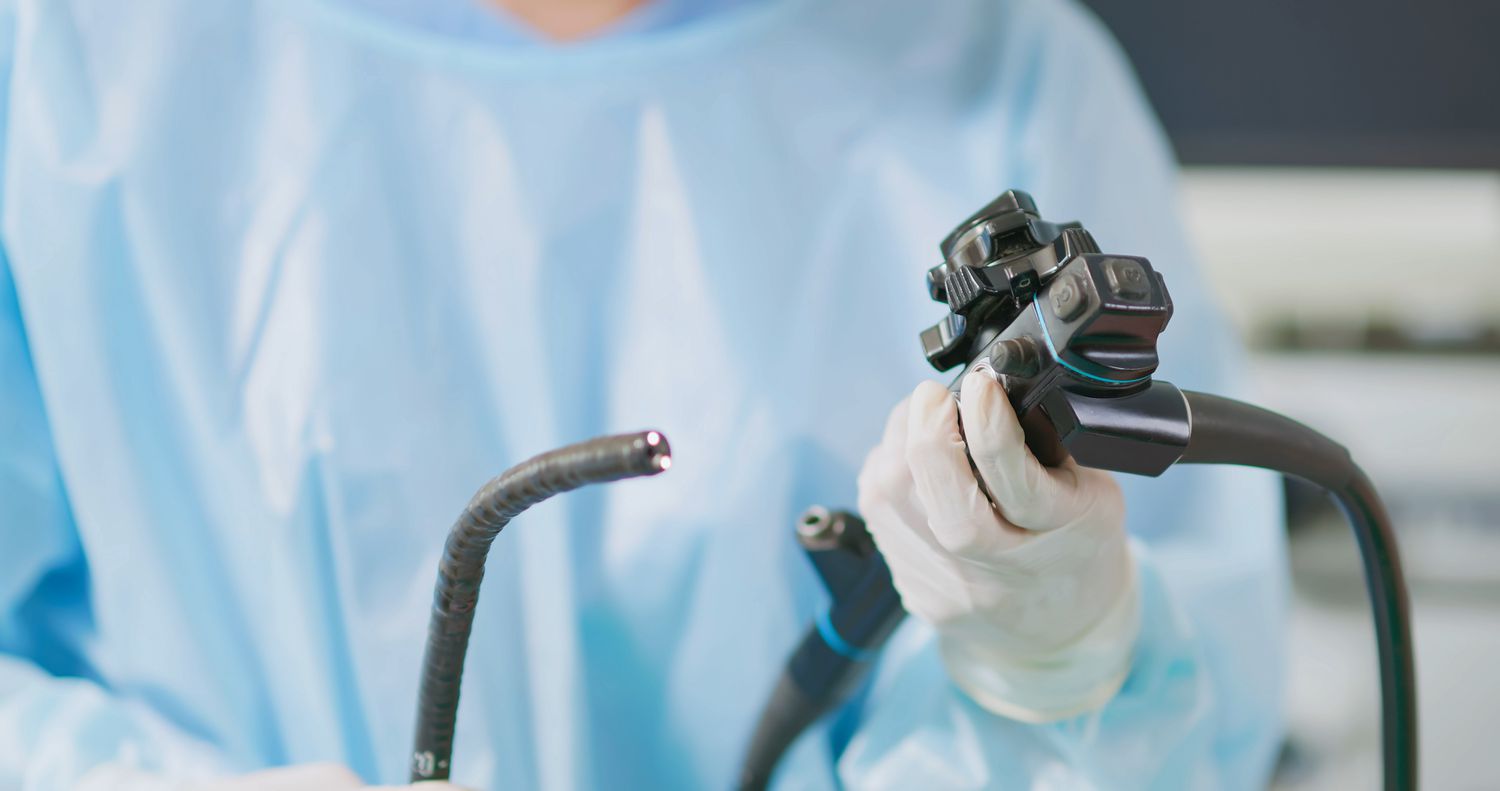
Gastroscopy test is a procedure that uses a flexible tube with a camera to visualize the esophagus, stomach, and upper part of the small intestine. It provides a clear, real-time view of the stomach lining, making it ideal for detecting small or flat polyps that imaging tests might miss.
During the examination, doctors can assess the size, number, and appearance of gastric polyps. This detailed visualization helps determine whether a polyp looks benign or suspicious, guiding further management decisions.
Role in Biopsy and Polyp Removal
One of the key advantages of gastroscopy is its ability to go beyond observation. If a polyp appears abnormal, the doctor can take a biopsy during the same procedure. Tissue samples are then examined under a microscope to determine the exact type of polyp and assess cancer risk.
In many cases, small polyps can be safely removed during the procedure itself. This not only provides a definitive diagnosis but also eliminates the potential source of future problems, reducing the need for additional interventions.
Monitoring Over Time
For patients with known gastric polyps, follow-up examinations are often recommended. The frequency of monitoring depends on factors such as polyp type, size, number, and the patient’s overall risk profile.
Repeat gastroscopy allows doctors to track changes over time. Stability in size and appearance may mean less frequent surveillance, while growth or new findings may prompt closer monitoring or treatment adjustments.
Special Considerations for High-Risk Patients
Certain individuals require closer observation due to higher risk. These include patients with a family history of gastric cancer, chronic gastritis, or Helicobacter pylori infection. Long-term use of specific medications may also influence polyp development.
In these groups, careful monitoring helps balance early detection with avoiding unnecessary procedures. Personalized surveillance plans ensure patient safety while minimizing anxiety and disruption to daily life.
Safety and Patient Experience
Gastroscopy is generally a safe and well-tolerated procedure. It is often performed with mild sedation, allowing patients to remain comfortable throughout the examination. Most people can return home the same day and resume normal activities shortly after.
Understanding the purpose of the procedure and what to expect can ease concerns. For many patients, the reassurance gained from regular monitoring outweighs the temporary inconvenience of the test.
Supporting Long-Term Gastric Health
Monitoring gastric polyps is not only about detecting problems but also about maintaining overall stomach health. Alongside surveillance, doctors may recommend lifestyle changes, treatment of underlying infections, or medication adjustments to reduce irritation of the stomach lining.
Through regular assessment and appropriate follow-up, potential risks can be managed effectively. Gastroscopy plays a central role in this process, offering both diagnostic clarity and therapeutic options in a single procedure.
Conclusion
Gastric polyps are often silent but should not be ignored. Careful monitoring helps prevent complications and supports early intervention when needed. By providing direct visualization, biopsy capability, and treatment options, gastroscopy remains an essential tool in the ongoing management of gastric polyps.
With informed guidance and regular follow-up, patients can approach monitoring with confidence, knowing that proactive care is key to protecting long-term digestive health.