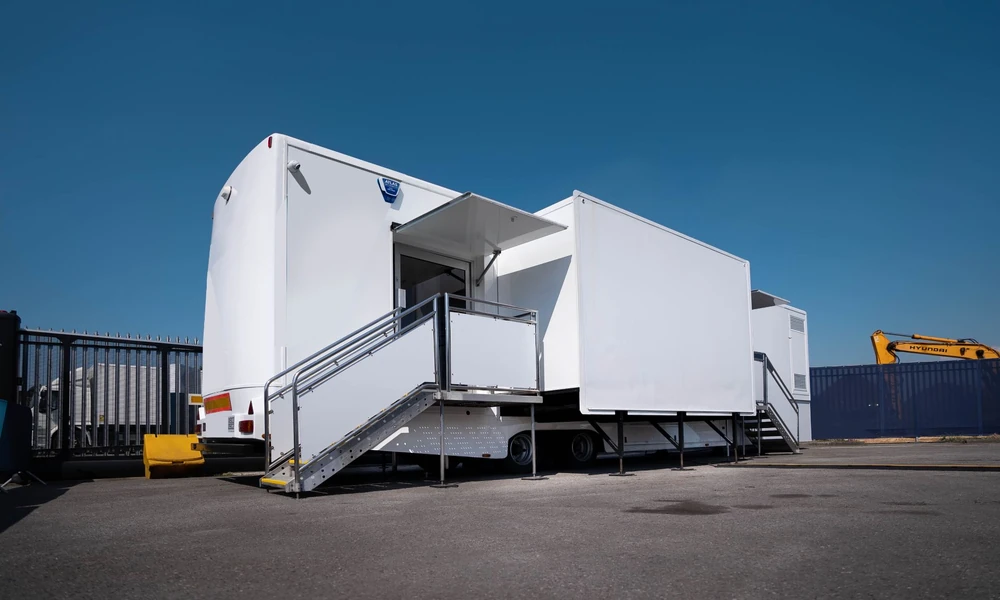
Mobile healthcare is transforming the way medical services are delivered by bringing care directly to patients rather than requiring every visit to take place at a hospital or permanent clinic. Mobile medical units now deliver healthcare services across rural areas, educational institutions, workplaces, community events, and emergency response sites. This flexible approach helps improve access to essential services while allowing healthcare providers to respond more efficiently to changing community needs. To ensure successful mobile healthcare programs, several important considerations should guide planning and daily operations.
This shift toward decentralized delivery is not just a temporary trend, but a fundamental evolution in public health outreach. Recent Mobile Healthcare Quietly Changing Insights demonstrate that removing geographical and logistical barriers leads to dramatically higher rates of preventive screenings, earlier disease detection, and stronger patient follow-through. By meeting individuals directly within their daily environments, health organizations are successfully closing critical gaps in coverage and establishing a continuous model of localized care.
Understand Community Healthcare Needs
Every mobile healthcare program should begin with a clear understanding of the population it will serve. Factors such as local health concerns, population size, age groups, and access to existing medical facilities influence the type of services that should be provided.
Careful assessment helps healthcare organizations allocate resources where they are needed most.
Select Appropriate Deployment Locations
The location of a mobile healthcare unit directly affects patient accessibility and operational efficiency. Sites should be convenient, safe, and easy for patients to reach while providing enough space for parking and daily operations.
Suitable deployment locations may include:
- Community centers
- Schools
- Workplaces
- Rural service areas
- Emergency response sites
Selecting the right location improves both patient convenience and service delivery.
Equip the Unit Properly
A mobile healthcare unit should be equipped with the medical tools and supplies needed for its intended services. Examination equipment, diagnostic devices, medications, and emergency supplies should be organized for quick access.
Routine equipment inspections also help maintain dependable performance during every deployment.
Design an Efficient Interior
The interior layout should support smooth patient flow while allowing healthcare professionals to work comfortably. Examination areas, storage cabinets, workstations, and waiting spaces should be arranged to maximize available space.
An organized environment improves efficiency and supports high-quality patient care.
Prioritize Patient Safety and Comfort
Patients should feel comfortable throughout their visit. Proper lighting, climate control, accessible entryways, clean treatment areas, and privacy measures all contribute to a positive healthcare experience.
Maintaining high hygiene standards also helps reduce infection risks and supports patient confidence.
Prepare Healthcare Teams
Medical professionals working in mobile settings should receive training on equipment operation, emergency procedures, infection prevention, and patient communication. Well-prepared teams are better equipped to deliver consistent healthcare services in different environments.
Ongoing training also helps staff adapt to new medical technologies and changing operational requirements.
Monitor Service Performance
Regularly evaluating mobile healthcare operations helps identify strengths and opportunities for improvement. Reviewing patient feedback, equipment reliability, appointment schedules, and operational efficiency provides valuable information for future planning.
Continuous evaluation supports better decision-making and improves long-term service quality.
Plan for Future Growth
Healthcare demands continue to evolve as communities grow and technologies advance. A flexible program design makes it easier to expand healthcare services, adopt new medical technologies, and adjust to changing community healthcare needs.