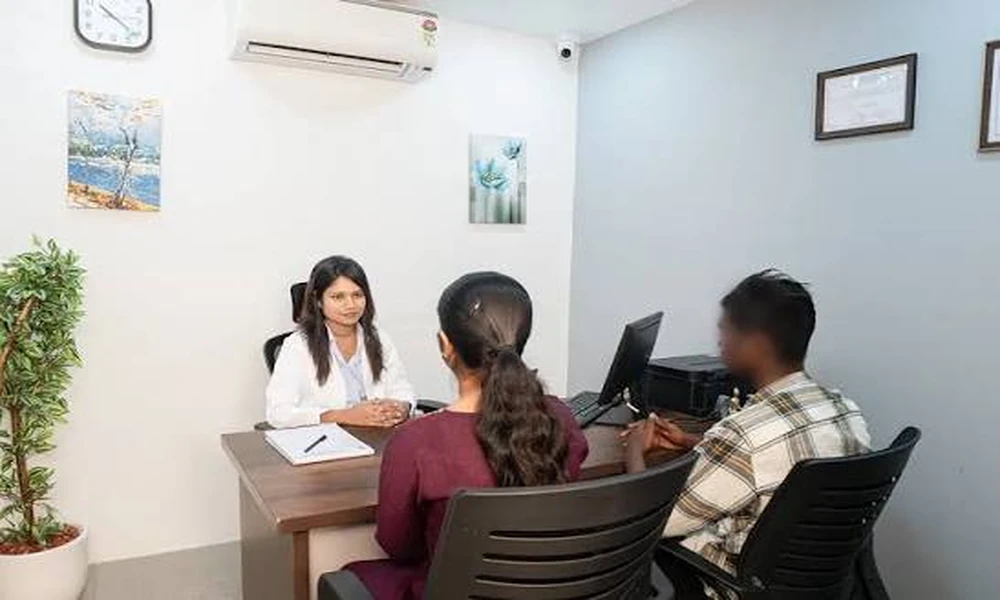
Kerala has some of the highest per-capita alcohol consumption in India, and families across the state are increasingly open about seeking help for addiction. Yet when they start looking, many find that the options close to home are limited, overbooked, or too close to the person’s everyday triggers. For a growing number of families, the answer is to travel for treatment. This article looks at why families choose to do this, what to consider, and how to make the distance work in your favour.
Why some families look outside their own town
There are three common reasons.
Privacy. In close-knit communities, a stay at a local de-addiction centre can quickly become common knowledge. Families worried about stigma, a person’s job or a sibling’s marriage prospects often prefer a centre where nobody knows them.
Distance from triggers. If the person’s drinking or drug use is tied to particular friends, a workplace or a local bar, being a few hours away gives them a real break from that environment.
Programme quality. Families sometimes find that the residential programmes nearest them are either government wards with long waits or small private centres without a full clinical team. Travelling widens the choice.
Looking across the border to Tamil Nadu
For families in central and northern Kerala, western Tamil Nadu is often closer than the other end of their own state. The Palakkad Gap makes the Coimbatore and Pollachi area a short drive from Palakkad, Thrissur and much of Malabar. Families researching a de-addiction centre for Kerala families often find that a centre just across the border is easier to reach than one in Thiruvananthapuram.
From Palakkad town in particular, the drive to Pollachi can be under two hours, which means weekly family sessions and visits remain practical. If you are in that district, it is worth looking specifically at options for a de-addiction centre near Palakkad and comparing travel times honestly.
Language and culture
A common worry is language. Many centres in western Tamil Nadu have Malayalam-speaking staff because of the steady flow of Kerala families, but ask directly. Therapy only works if the person can speak freely, so confirm that their individual sessions can be in Malayalam or English. Ask about food too. Small things like familiar meals make the first weeks easier.
What to check before you travel
Distance makes it harder to inspect a centre in person, so be thorough on the phone and by video call:
- Is the centre registered with its State Mental Health Authority?
- Is detox supervised by a doctor, with nursing cover overnight?
- Is there a psychiatrist and a qualified psychologist on the team?
- How many individual therapy sessions are there each week?
- Can family sessions be held online on weeks you cannot travel?
- What are the full costs, and what is excluded?
Ask for a video tour of the rooms and common areas. A good centre will be happy to arrange one.
Planning the logistics
Travelling for treatment needs some planning. Arrange how the person will get there, ideally with a family member rather than alone. Bring their current medicines, any recent test reports and a list of past treatments. Agree in advance on how phone contact will work in the first week, since many centres limit calls briefly while the person settles in.
Think about the return too. A good discharge plan should include follow-up sessions, either online or at an outpatient service closer to home, and a clear relapse prevention plan the family understands.
Is distance a problem for recovery?
Some families worry that treatment far from home will not “stick” once the person returns. The research and clinical experience suggest that what matters most is the quality of treatment and the strength of aftercare, not the distance. Involving the family throughout, through online sessions if necessary, helps bridge the gap between the centre and home.
Making the decision
Travelling for rehab is a significant step, but for many Kerala families it opens up better care, more privacy and a real break from the patterns that kept the addiction going. Shortlist two or three centres, ask the same questions of each, and choose the one whose team answers most clearly and honestly.